

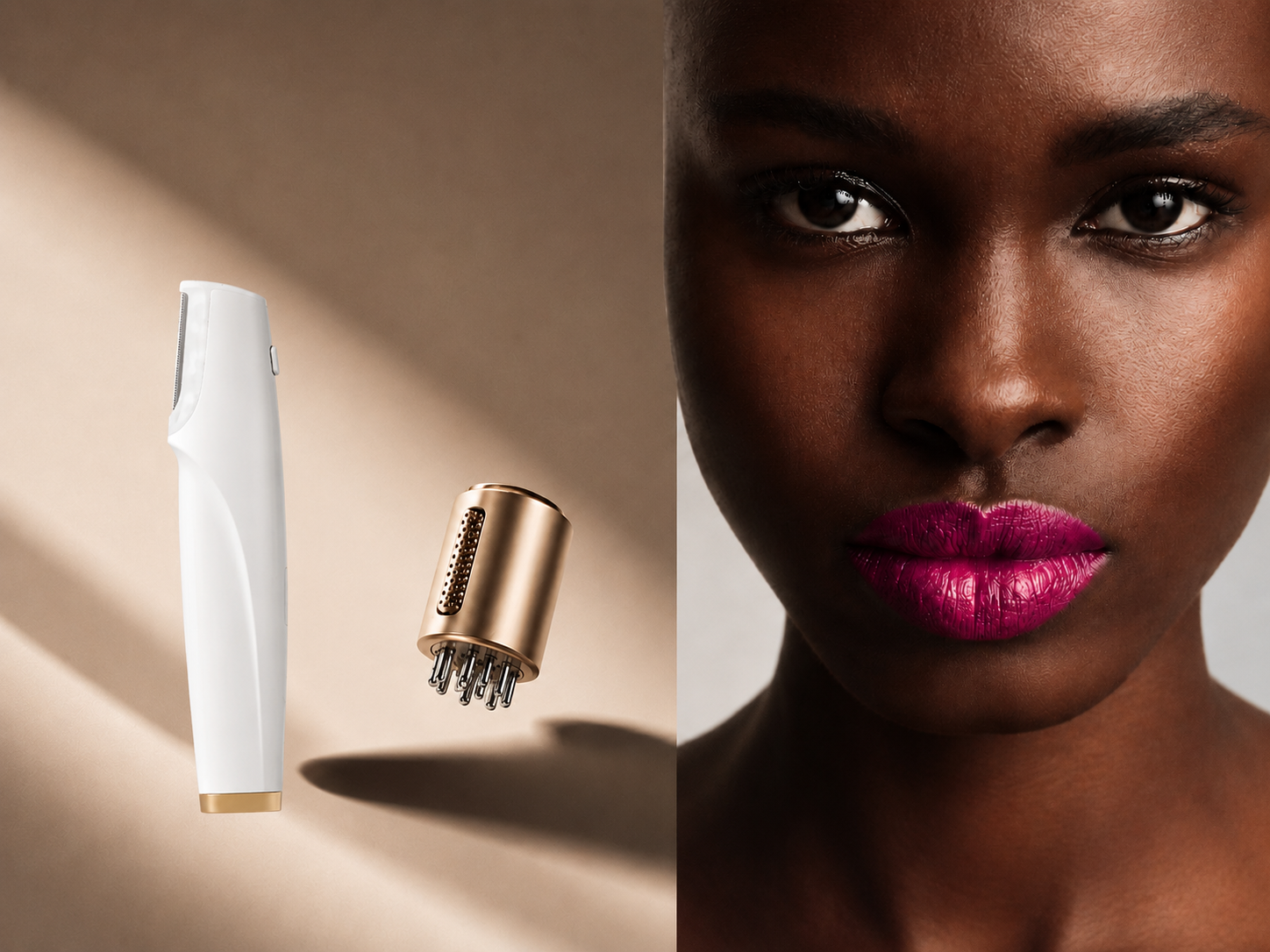
Choosing the right home beauty device factory is one of the most important steps when building a private label beauty brand. For Amazon sellers, TikTok Shop sellers, distributors, beauty retailers, and skincare brands, the factory you choose will directly affect product quality, packaging, delivery time, customer reviews, and long-term brand growth.
A professional private label beauty device manufacturer should do more than produce standard products. It should support OEM/ODM customization, logo printing, packaging design, product testing, quality control, and export documentation.
This guide explains how to choose a reliable home beauty device factory for private label projects and what B2B buyers should check before placing an order.
What Is a Home Beauty Device Factory?
A home beauty device factory manufactures personal skincare and beauty devices designed for home use. These products are usually compact, easy to operate, and suitable for daily skincare, facial care, hair removal, eye care, or beauty routines.
Common home beauty devices include:
- LED face masks
- EMS facial devices
- Facial cleansing brushes
- Sonic dermaplaning tools
- Heated eyelash curlers
- Facial massagers
- Eye beauty tools
- Hair removal devices
For private label buyers, a factory can help customize products with your own brand logo, packaging, user manual, color, accessories, and product positioning.
Why Choosing the Right Factory Matters
Private label beauty devices are not just ordinary products. They are used on the face, skin, eyes, or body, so product quality and safety are very important.
A reliable beauty device OEM/ODM factory can help you:
- Launch products under your own brand
- Customize logo, packaging, color, and accessories
- Maintain stable product quality
- Reduce returns and customer complaints
- Meet basic market and platform requirements
- Build a long-term beauty device product line
For B2B buyers, the cheapest supplier is not always the best choice. A low-price product may lead to unstable quality, poor packaging, weak after-sales support, or negative customer reviews.
1. Check the Factory’s Product Experience
The first step is to check whether the factory has experience with the beauty device category you want to sell.
For example, if you plan to launch a private label LED face mask, the factory should understand LED wavelengths, mask materials, controller design, eye protection, and packaging requirements.
If you want to develop an EMS facial device, the factory should understand EMS intensity levels, conductive materials, charging methods, battery safety, and skincare application scenarios.
Before cooperation, ask the factory:
- What home beauty devices do you currently manufacture?
- Do you support private label projects?
- Can you provide samples?
- Which products are popular in overseas markets?
- Do you have experience with Amazon sellers, distributors, or beauty brands?
A factory with real category experience can provide better suggestions for product selection, pricing, packaging, and market positioning.
2. Understand OEM and ODM Capabilities
For private label projects, OEM and ODM capabilities are very important.
OEM usually means using an existing product and customizing your logo, packaging, color, or manual.
ODM means the factory helps develop or modify a product based on your idea, function requirements, design, or target market.
A professional private label beauty device factory should support:
- Logo printing
- Custom colors
- Private label packaging
- User manual customization
- Gift box design
- Accessory customization
- Product function adjustment
- New product development
For startup brands or new sellers, OEM is usually faster and more cost-effective. For established brands, ODM can help create more differentiated products.
3. Evaluate Product Quality Control
Quality control is one of the most important factors when choosing a home beauty device supplier.
A reliable factory should have a clear inspection process, including material checking, function testing, charging testing, appearance inspection, packaging inspection, and final quality inspection before shipment.
Before placing a bulk order, always test samples carefully. Check the product appearance, function stability, charging performance, packaging quality, user experience, and instruction manual.
Good sample quality does not guarantee perfect mass production, but poor sample quality is usually a warning sign.
4. Check Certifications and Compliance Support
Different markets and sales channels may require different documents. A professional beauty device factory should be able to provide basic product certificates or testing support.
Common documents may include:
- CE
- RoHS
- FCC
- UKCA
- MSDS
- Battery-related documents
- Product test reports
The exact requirements depend on your product type, target market, and sales channel. For example, Amazon sellers, EU distributors, and retail buyers may have different documentation needs.
Do not only ask whether the factory has certificates. Ask them to provide actual documents and check whether the documents match the product model you plan to purchase.
5. Confirm MOQ and Customization Options
MOQ is an important factor for private label buyers, especially for new brands or sellers testing a new market.
Different customization options usually have different MOQ requirements. Logo printing often has a lower MOQ, while custom color, custom packaging, function changes, or mold development may require higher quantities.
Before confirming the order, ask clearly about:
- MOQ for standard products
- MOQ for logo customization
- MOQ for custom packaging
- Sample cost
- Packaging design cost
- Production lead time
- Payment terms
If you are testing a new product, it is usually better to start with an existing model and simple private label customization. After sales become stable, you can upgrade to deeper customization.
6. Review Packaging and Branding Support
Packaging plays an important role in private label beauty devices. It affects brand image, retail display, customer trust, and unboxing experience.
A good factory should support custom packaging, including color boxes, gift boxes, user manuals, labels, stickers, barcode labels, and retail-ready packaging.
For Amazon sellers and TikTok Shop sellers, packaging should be attractive, easy to understand, and suitable for shipping. For distributors and retail buyers, packaging should look professional enough for offline display.
7. Compare Communication and Service
Good communication can reduce many problems during private label projects.
A professional supplier should not only send a price list. They should understand your target market, sales channel, product requirements, packaging needs, and order plan.
You can judge the factory by checking:
- Response speed
- Product knowledge
- Quotation clarity
- Customization suggestions
- Sample support
- Production timeline
- After-sales attitude
Private label projects involve many details, including logo files, packaging artwork, sample approval, mass production, inspection, and shipment. A factory with organized project management will make the process much easier.
Final Checklist Before Choosing a Home Beauty Device Factory
Before confirming a supplier, make sure you have checked:
- Product category experience
- OEM/ODM customization ability
- Sample quality
- Certification documents
- MOQ and pricing structure
- Packaging support
- Quality control process
- Delivery time
- Communication efficiency
- After-sales support
The best factory is not always the cheapest one. The best choice is the factory that matches your product plan, target market, brand positioning, and order volume.
Work With a Private Label Beauty Device Factory
Choosing the right home beauty device factory for private label projects can help your brand launch faster, reduce sourcing risks, and build a stronger product line.
GreeBeauty supports private label, wholesale, OEM, and ODM beauty device projects for global B2B buyers. We provide home beauty devices such as LED face masks, EMS facial devices, facial cleansing brushes, sonic dermaplaning tools, heated eyelash curlers, facial massagers, eye beauty tools, and hair removal devices.
Contact GreeBeauty to discuss your product idea, customization options, MOQ, packaging design, sample details, and OEM/ODM beauty device project.
CTA Button:
Request a Private Label Beauty Device Quote
FAQ
What is a private label beauty device?
A private label beauty device is a product manufactured by a factory and sold under your own brand name. Buyers can usually customize the logo, packaging, user manual, color, or accessories.
How do I choose a reliable home beauty device factory?
You should check the factory’s product experience, OEM/ODM ability, certifications, sample quality, MOQ, quality control process, packaging support, and communication efficiency.
What is the difference between OEM and ODM beauty devices?
OEM usually means customizing an existing product with your logo and packaging. ODM means developing or modifying a product based on your design, function, or market requirements.
What is the MOQ for private label beauty devices?
MOQ depends on the product type and customization level. Logo customization usually has a lower MOQ, while custom packaging, custom color, or mold development may require higher quantities.
Can I customize packaging for home beauty devices?
Yes. Most private label beauty device factories can support custom packaging, including color boxes, gift boxes, user manuals, labels, stickers, and barcode requirements.
What products are suitable for private label beauty device projects?
Popular options include LED face masks, EMS facial devices, facial cleansing brushes, sonic dermaplaning tools, heated eyelash curlers, facial massagers, eye beauty tools, and hair removal devices.